Which nicotine-free tobacco substitute should you choose?
26 juillet 2026
Once you understand what a nicotine-free tobacco alternative is, the next question is much more personal: which one should you choose? With so many plants, aromatic profiles and different recipes, it can be tempting to compare every ingredient one by one. In practice, that is not always the best place to start.
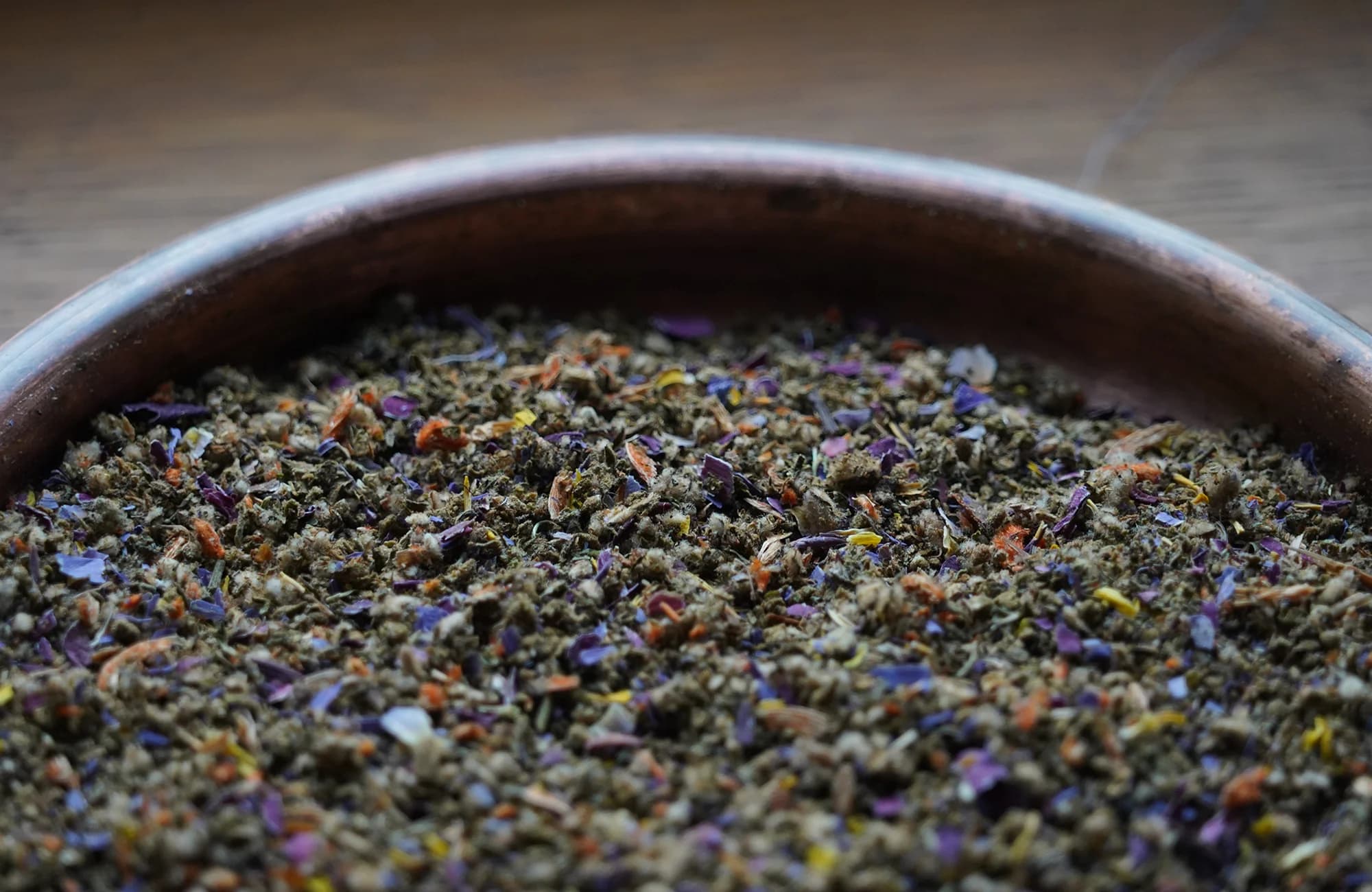
A botanical blend is better understood through its overall balance. Some recipes are light and relatively neutral, while others are more floral, fresh or herbaceous. Much like tea, perfume or cooking, two blends containing similar plants can feel completely different depending on their proportions and the way they have been put together.
This article is for informational purposes only. Our preparations are botanical creations intended for adults. They contain no tobacco or nicotine and are neither medicines nor medical devices.
Start with the profile that attracts you
Rather than immediately looking for a particular plant or a supposed “effect”, we generally recommend starting with a sensation or overall profile. Ask yourself which direction feels most natural to you: something very neutral and vegetal, a more floral composition, a touch of freshness, or a rounder, more aromatic blend.
Herbaceous profiles allow the plant material itself to remain more noticeable. Plants such as mullein, raspberry leaf or damiana can contribute to that feeling, each with a very different character depending on the recipe. This is often a good place to begin if you are looking for something fairly simple without one dominant aroma.
Floral profiles move in another direction. Lotus, rose petals and other flowers can bring more delicate nuances and give a composition a stronger personality. That does not necessarily mean the blend will be intensely perfumed: everything depends on dosage. A small amount can sometimes transform the whole composition.
Other recipes rely more on freshness or warmer aromatic notes. Mint, for example, can be recognised very quickly even when it represents only a small part of the blend. This is exactly why proportions matter just as much as the presence of the plant itself.
Look at the recipe as a whole
An ingredient list gives useful information, but it never tells the full story of a blend. One plant may form the foundation, another may provide most of the character, while a third may be present only in a small amount to subtly shift the aromatic profile.
At Shiva Blends, we therefore think more in terms of balance than accumulation. A recipe made from four well-matched plants can be far more interesting than a long composition where each ingredient seems to have been added simply to make the label look richer.
This is also why two blends can share some of the same plants while still having very different personalities. The quality of the raw material, the cut and, above all, the proportions can change the result considerably.
Neutral or expressive: a useful distinction
If you are new to botanical blends, the level of neutrality is probably one of the simplest ways to compare them. Some people mainly want a discreet vegetal presence. Others prefer to fully experience the character of flowers and more aromatic plants.
There is no hierarchy between the two. A very neutral blend is not less carefully made than an expressive one, and a complex recipe is not automatically better because it contains more plants. They are simply different experiences.
On Shiva Blends product pages, the descriptions and profile indicators are designed to help you understand each recipe without requiring an encyclopaedic knowledge of the plants behind it.
If you are unsure, compare
It is quite common to read several product pages and end up interested in two or three recipes at once. At that point, analysing the ingredient lists for another twenty minutes does not always help. Botanical preferences are also highly personal.
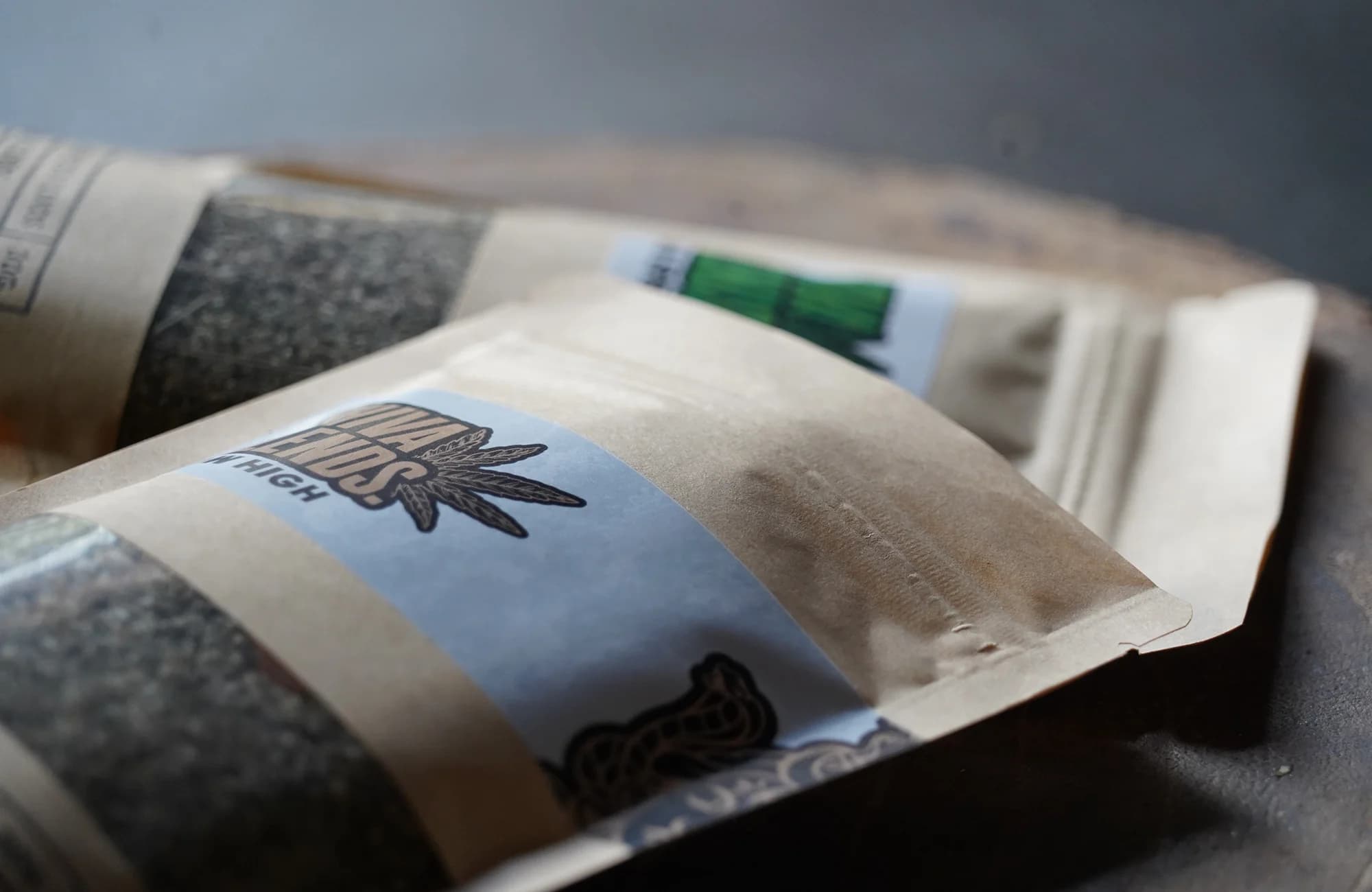
Smaller formats and discovery packs are especially useful here. They allow you to explore several compositions, understand what you genuinely enjoy, and then return to the recipes that suit you best.
Once a blend has become familiar, a larger format usually makes more sense and offers better value by weight. There is no need, however, to start with a large quantity simply because the price per gram is lower.
The right blend is often the one you want to come back to
We could probably create an extremely complicated system for classifying plants, profiles and recipes. In the end, however, choosing a botanical blend remains a fairly intuitive experience.
Some people will immediately gravitate towards something neutral and simple. Others will be curious about blue lotus, damiana or a flower they have never encountered before. Sometimes a name, a scent or the atmosphere of a particular recipe is enough to make you want to start there.
And that is not a bad way to choose. Curiosity is often where the discovery of plants begins.
Frequently asked questions
How do I know which blend will suit me?
Start by identifying the profile that attracts you most: neutral and vegetal, floral, fresh or more aromatic. You can then compare recipes within that style or use our recommendation tool.
I am looking for something very neutral. What should I choose?
Look for recipes where the vegetal base remains at the forefront and highly aromatic plants are used sparingly. Our neutrality indicators also make it easier to compare the different blends.
Should I start with a smaller format?
Usually, yes, especially if you have never tried the recipe before. A smaller pack
Where to start:
the quiz · a discovery pack · Building a botanical blend